我们纪念六四的目的究竟是什么?
我们纪念六四的目的究竟是什么?
六四37周年又要到了,纪念六四活动又被提上了日程,大家都很关注和重视。但我们是否应当思考一个问题:我们纪念六四已经有三十多年了,每年的纪念方式几乎都是绝食、静坐、抗议、联署、游行。
大家是否认真思考过:我们纪念六四的目的究竟是什么?是否只是为了纪念而纪念?为了勿忘和缅怀而纪念?这样的纪念我们已经持续了三十多年,是否还要继续持续三十多年,甚至更长的时间?!这样的纪念真的是那些被我们缅怀的长眠地下的六四英烈们所期待的?!
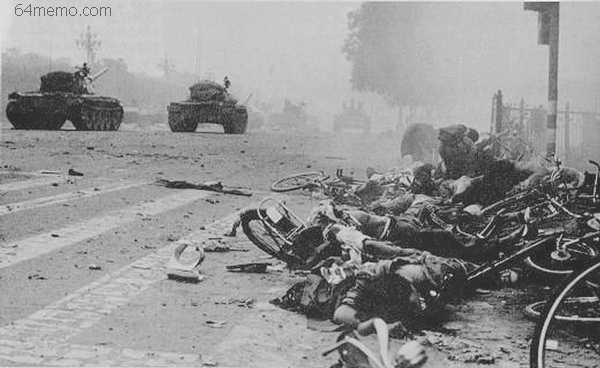
六四屠城造成数千英烈遇害(网络图片)
如果大家觉得我们纪念六四就只是为了勿忘和缅怀,认为这就是长眠地下六四先烈们的希望和期待,当然可以继续坚持。如果大家觉得不完全是,或者觉得忽略了什么?那我们就要认真的思考一下:我们为什么要纪念六四?我们纪念六四最重要的目的究竟是什么?长眠地下的六四英烈们他们的遗志究竟是什么?我们应当怎样的纪念六四才能够尽快实现六四英烈的遗志?才更具现实意义和政治意义?!
个人觉得我们纪念六四,勿忘六四和缅怀六四英烈只是我们纪念六四的目的之一。更重要的是我们纪念六四是为了凝聚、是为了继承和弘扬、是为了完成六四英烈们的遗志,是为了更好的推进我们的反共事业和民主事业,是为了能够早日结束中共的统治,让中国早日成为自由、民主、法治国家,这样的纪念才更具政治意义和现实意义!
如果在这个问题上大家能够取得基本的共识,那我们今天纪念六四,包括今后纪念六四,我们就应当认真考虑和研究:怎样能够将我们纪念六四的活动与凝聚中国民主力量联系起来?怎样与做强做大中国民主力量联系起来?怎样与让世人特别是国际社会认清中共政权的本质和性质联系起来?怎样与让国际社会彻底孤立中共政权联系起来?怎样与促进形成国际反共统一战线联系起来?
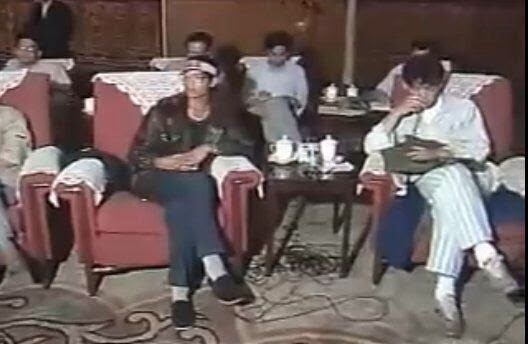
六四运动中与李鹏对话的学生领袖(网络图片)
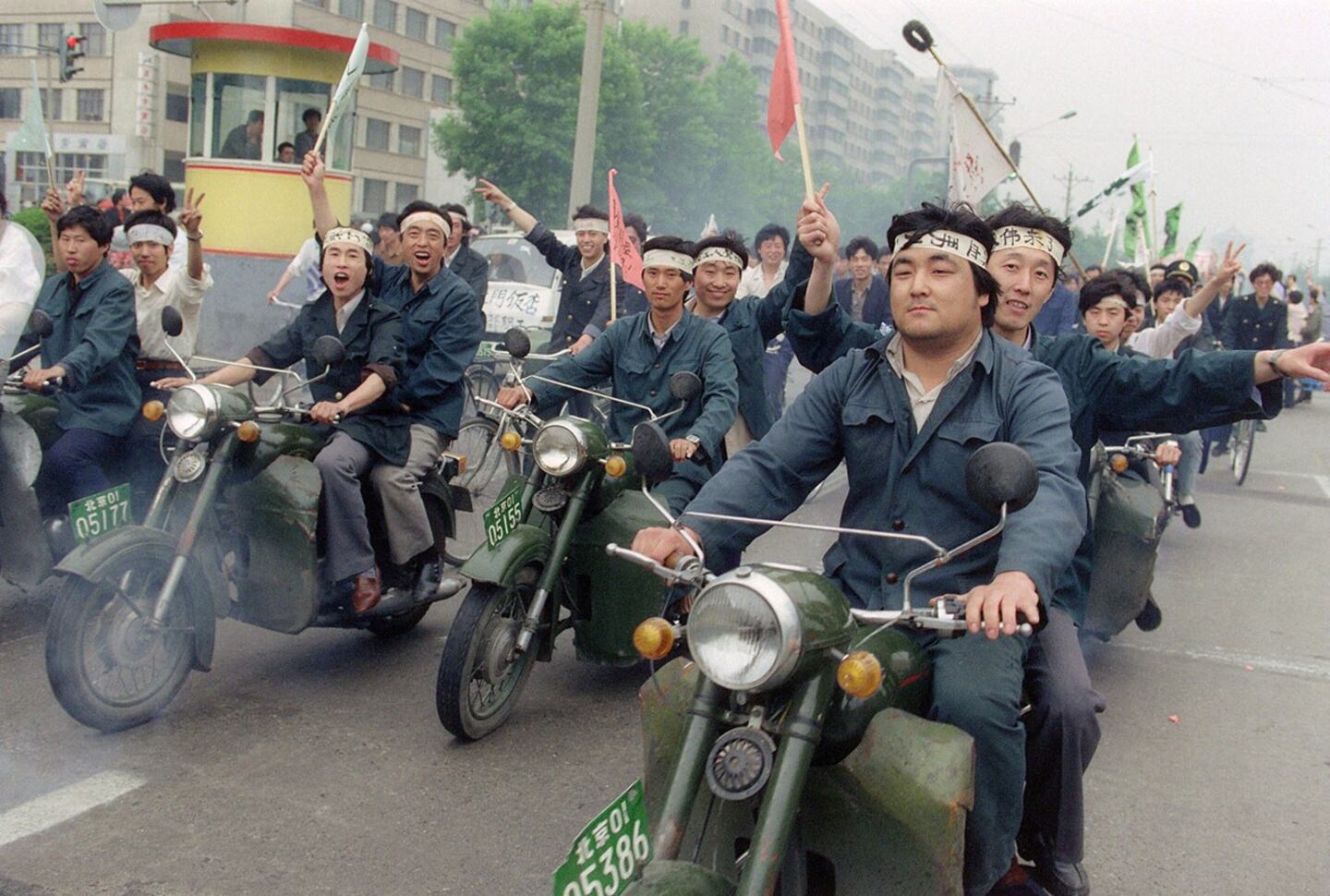
六四期间北京市民组成的摩托车队,又称“飞虎队”(网络图片)
只有能将纪念六四与六四英烈们的遗志、与我们的奋斗目标与任务,与做强做大民主力量,与彻底孤立中共政权结合起来,才能够避免将纪念六四形式化,才能够让纪念六四更有深度和广度!才能够让纪念六四具有政治意义和现实意义!
因此纪念六四除了勿忘和缅怀之外,更重要的目的和意义应当是:
一、 是为了继承和弘扬:为了早日完成六四先烈们的遗志;
二、 是为了凝聚:扩中国民主运动的政治影响力;让纪念六四成为做强做大中国民主力量的动力;
三、 是为了推动:推动国际社会早日认清中共政权的本质,尽快形成国际遏制和孤立中共政权的统一阵线。
四、 是为了实现我们奋斗目标,将纪念六四与中国民主力量现阶段的具体任务相结合,通过每年纪念六四让世人看到中国民主事业的成熟、发展和壮大,而不再是失望!
只有中国的民主力量能够成熟和强大,只有让国际社会彻底认清中共政权的性质和本质,只有国际社会共同制裁和孤立中共政权,结束中共的一党专制极权统治才有希望,中国的民主事业才有希望。这应当才是长眠地下的六四先烈们的愿望和期待,才是今天我们对遇害六四先烈的亲人、对天安门母亲们的最大慰籍,也是我们纪念六四的真正意义所在。
What, ultimately, is the purpose of our commemorating June 4th?
The 37th anniversary of June 4th is fast approaching once again, and commemorative activities for the event have once more been placed on the agenda—a matter to which everyone is paying close attention and attaching great importance. Yet, ought we not pause to consider a fundamental question? We have been commemorating June 4th for over thirty years now, yet our methods of remembrance each year have remained almost invariably the same: hunger strikes, sit-ins, protests, petitions, and marches.
Have we truly given serious thought to what, precisely, is the ultimate objective of our June 4th commemorations? Is it merely to commemorate for the sake of commemorating? Is it simply to ensure we do not forget, and to pay tribute to the past? We have persisted in this manner of commemoration for over three decades; must we continue to do so for another thirty years—or perhaps even longer? Is this truly the form of remembrance that the martyrs of June 4th—those heroes we honor, who now rest eternally beneath the earth—would have truly desired?
The June 4th Massacre resulted in the deaths of thousands of martyrs. (Online Image)
If you believe that our commemoration of June 4th serves merely as an act of remembrance and mourning—and that this alone fulfills the hopes and expectations of the martyrs who now lie in eternal rest—then, by all means, you are free to continue holding to that view. However, if you feel that this is not the whole story—or that something vital has been overlooked—then we must engage in serious reflection: Why do we commemorate June 4th? What, precisely, is the most critical objective of our commemoration? What, fundamentally, constitutes the dying wish of the heroes of June 4th who now sleep beneath the earth? And how, exactly, should we commemorate June 4th so as to most expeditiously realize those heroes' final wishes—thereby endowing our commemoration with the greatest possible practical and political significance?
In my personal view, our act of commemorating June 4th—of refusing to forget it and paying tribute to its martyrs—constitutes merely one of the objectives behind our remembrance. Far more importantly, we commemorate June 4th to foster solidarity, to uphold and propagate its legacy, and to fulfill the unfinished aspirations of those martyrs. We do so to better advance our cause of resisting communism and promoting democracy, and to hasten the day when the Chinese Communist Party’s rule comes to an end—thereby enabling China to emerge, as soon as possible, as a nation grounded in freedom, democracy, and the rule of law. Only through such a commemoration does our act truly acquire profound political and practical significance.
If we can reach a basic consensus on this issue, then—as we commemorate June 4th today, and in all future commemorations—we must earnestly consider and examine the following questions: How can we link our commemorative activities to the consolidation of China’s pro-democracy forces? How can we link them to strengthening and expanding these forces? How can we link them to helping the world—and the international community in particular—clearly recognize the true essence and nature of the CCP regime? How can we link them to encouraging the international community to completely isolate the CCP regime? And how can we link them to fostering the formation of an international united front against communism?
Student leaders who held a dialogue with Li Peng during the June 4th Movement (Online Image)
A motorcycle brigade formed by Beijing citizens during the June 4th period—also known as the "Flying Tigers" (Online Image)
Only by integrating the commemoration of June 4th with the dying wishes of its martyrs, with our own goals and tasks, with the strengthening and expansion of democratic forces, and with the complete isolation of the CCP regime—only then can we avoid reducing the commemoration to a mere formality; only then can we endow it with true depth and breadth; and only then can we ensure that it possesses both political and practical significance!
Therefore, beyond merely remembering and commemorating, the more significant objectives and meaning of observing June 4th should be:
I. To Inherit and Uphold: To realize, as soon as possible, the unfinished aspirations of the martyrs of June 4th;
II. To Foster Cohesion: To expand the political influence of China’s democratic movement, transforming the commemoration of June 4th into a driving force for strengthening and expanding China’s pro-democracy forces;
III. To Drive Action: To urge the international community to swiftly recognize the true nature of the CCP regime and to rapidly forge a united front to contain and isolate it;
IV. To Achieve Our Goals: To integrate the commemoration of June 4th with the specific tasks currently facing China’s pro-democracy forces, ensuring that through this annual observance, the world witnesses the maturity, growth, and expansion of China’s democratic cause—replacing despair with hope!
Only when China’s democratic forces mature and grow strong—only when the international community fully recognizes the true nature and essence of the CCP regime, and only when the global community collectively sanctions and isolates that regime—will there be any hope of ending the CCP’s one-party totalitarian rule, and any hope for the cause of democracy in China. This, surely, is the true wish and expectation of the martyrs of June 4th who now rest beneath the earth; it is the greatest source of solace we can offer today to the bereaved families of those fallen martyrs—to the "Tiananmen Mothers"—and it constitutes the true significance of our commemoration of June 4th.
六四37周年又要到了,纪念六四活动又被提上了日程,大家都很关注和重视。但我们是否应当思考一个问题:我们纪念六四已经有三十多年了,每年的纪念方式几乎都是绝食、静坐、抗议、联署、游行。
大家是否认真思考过:我们纪念六四的目的究竟是什么?是否只是为了纪念而纪念?为了勿忘和缅怀而纪念?这样的纪念我们已经持续了三十多年,是否还要继续持续三十多年,甚至更长的时间?!这样的纪念真的是那些被我们缅怀的长眠地下的六四英烈们所期待的?!
六四屠城造成数千英烈遇害(网络图片)
如果大家觉得我们纪念六四就只是为了勿忘和缅怀,认为这就是长眠地下六四先烈们的希望和期待,当然可以继续坚持。如果大家觉得不完全是,或者觉得忽略了什么?那我们就要认真的思考一下:我们为什么要纪念六四?我们纪念六四最重要的目的究竟是什么?长眠地下的六四英烈们他们的遗志究竟是什么?我们应当怎样的纪念六四才能够尽快实现六四英烈的遗志?才更具现实意义和政治意义?!
个人觉得我们纪念六四,勿忘六四和缅怀六四英烈只是我们纪念六四的目的之一。更重要的是我们纪念六四是为了凝聚、是为了继承和弘扬、是为了完成六四英烈们的遗志,是为了更好的推进我们的反共事业和民主事业,是为了能够早日结束中共的统治,让中国早日成为自由、民主、法治国家,这样的纪念才更具政治意义和现实意义!
如果在这个问题上大家能够取得基本的共识,那我们今天纪念六四,包括今后纪念六四,我们就应当认真考虑和研究:怎样能够将我们纪念六四的活动与凝聚中国民主力量联系起来?怎样与做强做大中国民主力量联系起来?怎样与让世人特别是国际社会认清中共政权的本质和性质联系起来?怎样与让国际社会彻底孤立中共政权联系起来?怎样与促进形成国际反共统一战线联系起来?
六四运动中与李鹏对话的学生领袖(网络图片)
六四期间北京市民组成的摩托车队,又称“飞虎队”(网络图片)
只有能将纪念六四与六四英烈们的遗志、与我们的奋斗目标与任务,与做强做大民主力量,与彻底孤立中共政权结合起来,才能够避免将纪念六四形式化,才能够让纪念六四更有深度和广度!才能够让纪念六四具有政治意义和现实意义!
因此纪念六四除了勿忘和缅怀之外,更重要的目的和意义应当是:
一、 是为了继承和弘扬:为了早日完成六四先烈们的遗志;
二、 是为了凝聚:扩中国民主运动的政治影响力;让纪念六四成为做强做大中国民主力量的动力;
三、 是为了推动:推动国际社会早日认清中共政权的本质,尽快形成国际遏制和孤立中共政权的统一阵线。
四、 是为了实现我们奋斗目标,将纪念六四与中国民主力量现阶段的具体任务相结合,通过每年纪念六四让世人看到中国民主事业的成熟、发展和壮大,而不再是失望!
只有中国的民主力量能够成熟和强大,只有让国际社会彻底认清中共政权的性质和本质,只有国际社会共同制裁和孤立中共政权,结束中共的一党专制极权统治才有希望,中国的民主事业才有希望。这应当才是长眠地下的六四先烈们的愿望和期待,才是今天我们对遇害六四先烈的亲人、对天安门母亲们的最大慰籍,也是我们纪念六四的真正意义所在。
What, ultimately, is the purpose of our commemorating June 4th?
The 37th anniversary of June 4th is fast approaching once again, and commemorative activities for the event have once more been placed on the agenda—a matter to which everyone is paying close attention and attaching great importance. Yet, ought we not pause to consider a fundamental question? We have been commemorating June 4th for over thirty years now, yet our methods of remembrance each year have remained almost invariably the same: hunger strikes, sit-ins, protests, petitions, and marches.
Have we truly given serious thought to what, precisely, is the ultimate objective of our June 4th commemorations? Is it merely to commemorate for the sake of commemorating? Is it simply to ensure we do not forget, and to pay tribute to the past? We have persisted in this manner of commemoration for over three decades; must we continue to do so for another thirty years—or perhaps even longer? Is this truly the form of remembrance that the martyrs of June 4th—those heroes we honor, who now rest eternally beneath the earth—would have truly desired?
The June 4th Massacre resulted in the deaths of thousands of martyrs. (Online Image)
If you believe that our commemoration of June 4th serves merely as an act of remembrance and mourning—and that this alone fulfills the hopes and expectations of the martyrs who now lie in eternal rest—then, by all means, you are free to continue holding to that view. However, if you feel that this is not the whole story—or that something vital has been overlooked—then we must engage in serious reflection: Why do we commemorate June 4th? What, precisely, is the most critical objective of our commemoration? What, fundamentally, constitutes the dying wish of the heroes of June 4th who now sleep beneath the earth? And how, exactly, should we commemorate June 4th so as to most expeditiously realize those heroes' final wishes—thereby endowing our commemoration with the greatest possible practical and political significance?
In my personal view, our act of commemorating June 4th—of refusing to forget it and paying tribute to its martyrs—constitutes merely one of the objectives behind our remembrance. Far more importantly, we commemorate June 4th to foster solidarity, to uphold and propagate its legacy, and to fulfill the unfinished aspirations of those martyrs. We do so to better advance our cause of resisting communism and promoting democracy, and to hasten the day when the Chinese Communist Party’s rule comes to an end—thereby enabling China to emerge, as soon as possible, as a nation grounded in freedom, democracy, and the rule of law. Only through such a commemoration does our act truly acquire profound political and practical significance.
If we can reach a basic consensus on this issue, then—as we commemorate June 4th today, and in all future commemorations—we must earnestly consider and examine the following questions: How can we link our commemorative activities to the consolidation of China’s pro-democracy forces? How can we link them to strengthening and expanding these forces? How can we link them to helping the world—and the international community in particular—clearly recognize the true essence and nature of the CCP regime? How can we link them to encouraging the international community to completely isolate the CCP regime? And how can we link them to fostering the formation of an international united front against communism?
Student leaders who held a dialogue with Li Peng during the June 4th Movement (Online Image)
A motorcycle brigade formed by Beijing citizens during the June 4th period—also known as the "Flying Tigers" (Online Image)
Only by integrating the commemoration of June 4th with the dying wishes of its martyrs, with our own goals and tasks, with the strengthening and expansion of democratic forces, and with the complete isolation of the CCP regime—only then can we avoid reducing the commemoration to a mere formality; only then can we endow it with true depth and breadth; and only then can we ensure that it possesses both political and practical significance!
Therefore, beyond merely remembering and commemorating, the more significant objectives and meaning of observing June 4th should be:
I. To Inherit and Uphold: To realize, as soon as possible, the unfinished aspirations of the martyrs of June 4th;
II. To Foster Cohesion: To expand the political influence of China’s democratic movement, transforming the commemoration of June 4th into a driving force for strengthening and expanding China’s pro-democracy forces;
III. To Drive Action: To urge the international community to swiftly recognize the true nature of the CCP regime and to rapidly forge a united front to contain and isolate it;
IV. To Achieve Our Goals: To integrate the commemoration of June 4th with the specific tasks currently facing China’s pro-democracy forces, ensuring that through this annual observance, the world witnesses the maturity, growth, and expansion of China’s democratic cause—replacing despair with hope!
Only when China’s democratic forces mature and grow strong—only when the international community fully recognizes the true nature and essence of the CCP regime, and only when the global community collectively sanctions and isolates that regime—will there be any hope of ending the CCP’s one-party totalitarian rule, and any hope for the cause of democracy in China. This, surely, is the true wish and expectation of the martyrs of June 4th who now rest beneath the earth; it is the greatest source of solace we can offer today to the bereaved families of those fallen martyrs—to the "Tiananmen Mothers"—and it constitutes the true significance of our commemoration of June 4th.

不清楚纪念六四的意义是什么/不如反问中共当局为什么对六四讳莫如深?
当下的纪念在舆论场上显得势单力薄,没有武装力量支撑,也无法兑现政治红利。
然而它最大的力量来源恰恰是无法被轻易抹除的政治印迹;当权者的缄默与回避,反向证明了它的真实与存在;每一个拒绝遗忘的人,都在无声的控诉历史的真相;当越来越的人拒绝遗忘,集体记忆不再缺席,只有这种集体的清醒、才会对当权者进行持久施压:它既是对陈年欠账的清算,也是对那些始终被拒之门外的社会诉求的对峙。
当看到评论区里对六四的意义都语焉不详时,足以窥见历史记忆在代际传承中的断裂——新生代或许早已在被修剪的叙事中,彻底淡忘了八九六四。力所能及的扩散吧,拒绝遗忘就是六四最大的意义。
当下的纪念在舆论场上显得势单力薄,没有武装力量支撑,也无法兑现政治红利。
然而它最大的力量来源恰恰是无法被轻易抹除的政治印迹;当权者的缄默与回避,反向证明了它的真实与存在;每一个拒绝遗忘的人,都在无声的控诉历史的真相;当越来越的人拒绝遗忘,集体记忆不再缺席,只有这种集体的清醒、才会对当权者进行持久施压:它既是对陈年欠账的清算,也是对那些始终被拒之门外的社会诉求的对峙。
当看到评论区里对六四的意义都语焉不详时,足以窥见历史记忆在代际传承中的断裂——新生代或许早已在被修剪的叙事中,彻底淡忘了八九六四。力所能及的扩散吧,拒绝遗忘就是六四最大的意义。

我觉得当年参与六四的人自己也不是很清楚自己究竟要的是什么

没有中国共产党对世界不重要,没有中国共产党对中国人民很重要。人不为己,天诛地灭。
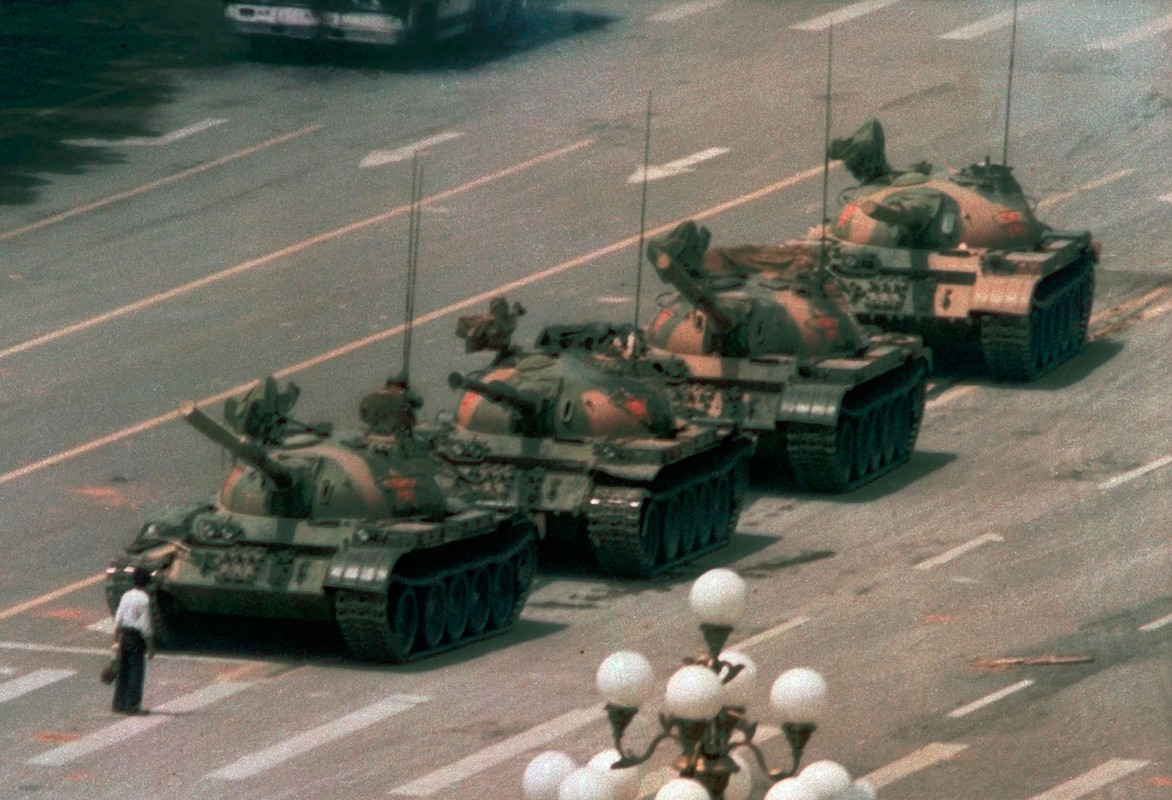

感觉那时候人的精气神和现在的中国人,简直是两个物种。死的死,逃的逃,老的老,再无那个时代了吧。希望有生之年,还能再看到一次六四精神。共产党下台,公审习近平!

flicker_free
经过这么多年,从一开始接触到六四信息的震惊、期待、愤慨,到现在的平常心对待,我个人现在感觉其实1989六四更像是1919五四的“与时俱进”弱化版本。
彼时1987~1989的中国大陆,物价上涨、通胀加剧、官倒横行、权钱交易、特权阶层兴起,使得社会矛盾日渐累积。知识分子和学生在就业困难、政治开放迟滞、贫富差距扩大、意识形态危机等压力下,对前途普遍感到焦虑,并透过校园民主沙龙等组织讨论政治改革,要求更多表达空间。
后来我看到说有学生把朝着毛泽东画像扔鸡蛋的青年扭送移交公安机关,我就隐约感觉到这个六四八成快要完蛋了。(天安门毛泽东像污损案)
学生们不反共,他们认为自己所作所为都是在爱国爱党,是想让共产党有所改进变得更好更民主。知识分子对于中共的本性完全没有正确的认知,那些自以为是的保皇保党爱国行为,所做的一切不过是与虎谋皮,后来的天安门部队进场屠杀,也证实了我的判断。
不反共,在中共眼里你就连统战、镇压的价值都没有,所谓天安门屠杀,对于中共来说只不过是小孩子闹脾气,家长关起门揍一顿罢了。
我个人是很惋惜那些年轻的生命,就这样白白的化为尘土。党卫军的坦克压上去时,是没有一丝犹豫的。
但是对于六四运动本身,事后总结看待如此一个没有革命性,没有斗争纲领,没有成果只有苦果,49年以后由中共调教出来的知识分子式干吼,究竟还剩有多少值得纪念的政治价值?
倒是有很深的教训值得学习参考,比如想要做成某件事,先要弄清楚你面对的究竟是不是人。如果你只有热血和激情,请问能接几发子弹?人家党卫军有枪有坦克,别以为中共高级干部不敢杀你,它们根本不需要亲自动手,有的是人为了加官进爵娶媳妇敢开枪屠杀。
希望现今的学生与青年人在当下面临与1989的前辈们类似的就业困难、政治开放迟滞、贫富差距扩大、意识形态危机等压力下,对前途普遍感到焦虑时,能够意识上认知上保持一致,不结婚不生娃不贷款不创业不投资不买新房不买新车,以躺平的心态、健康的体魄、有趣的灵魂活在当下,来面对历史的垃圾时间,实现不用付出生命代价的有效抗争。中共对于这样的你们,才是束手无策。
分享:flicker_free 网友的跟帖,并给 flicker_free 网友点赞👍
经过这么多年,从一开始接触到六四信息的震惊、期待、愤慨,到现在的平常心对待,我个人现在感觉其实1989六四更像是1919五四的“与时俱进”弱化版本。
彼时1987~1989的中国大陆,物价上涨、通胀加剧、官倒横行、权钱交易、特权阶层兴起,使得社会矛盾日渐累积。知识分子和学生在就业困难、政治开放迟滞、贫富差距扩大、意识形态危机等压力下,对前途普遍感到焦虑,并透过校园民主沙龙等组织讨论政治改革,要求更多表达空间。
后来我看到说有学生把朝着毛泽东画像扔鸡蛋的青年扭送移交公安机关,我就隐约感觉到这个六四八成快要完蛋了。(天安门毛泽东像污损案)
学生们不反共,他们认为自己所作所为都是在爱国爱党,是想让共产党有所改进变得更好更民主。知识分子对于中共的本性完全没有正确的认知,那些自以为是的保皇保党爱国行为,所做的一切不过是与虎谋皮,后来的天安门部队进场屠杀,也证实了我的判断。
不反共,在中共眼里你就连统战、镇压的价值都没有,所谓天安门屠杀,对于中共来说只不过是小孩子闹脾气,家长关起门揍一顿罢了。
我个人是很惋惜那些年轻的生命,就这样白白的化为尘土。党卫军的坦克压上去时,是没有一丝犹豫的。
但是对于六四运动本身,事后总结看待如此一个没有革命性,没有斗争纲领,没有成果只有苦果,49年以后由中共调教出来的知识分子式干吼,究竟还剩有多少值得纪念的政治价值?
倒是有很深的教训值得学习参考,比如想要做成某件事,先要弄清楚你面对的究竟是不是人。如果你只有热血和激情,请问能接几发子弹?人家党卫军有枪有坦克,别以为中共高级干部不敢杀你,它们根本不需要亲自动手,有的是人为了加官进爵娶媳妇敢开枪屠杀。
希望现今的学生与青年人在当下面临与1989的前辈们类似的就业困难、政治开放迟滞、贫富差距扩大、意识形态危机等压力下,对前途普遍感到焦虑时,能够意识上认知上保持一致,不结婚不生娃不贷款不创业不投资不买新房不买新车,以躺平的心态、健康的体魄、有趣的灵魂活在当下,来面对历史的垃圾时间,实现不用付出生命代价的有效抗争。中共对于这样的你们,才是束手无策。
分享:flicker_free 网友的跟帖,并给 flicker_free 网友点赞👍

对于品支这种持不同证件者来说没有任何干系

经过这么多年,从一开始接触到六四信息的震惊、期待、愤慨,到现在的平常心对待,我个人现在感觉其实1989六四更像是1919五四的“与时俱进”弱化版本。
彼时1987~1989的中国大陆,物价上涨、通胀加剧、官倒横行、权钱交易、特权阶层兴起,使得社会矛盾日渐累积。知识分子和学生在就业困难、政治开放迟滞、贫富差距扩大、意识形态危机等压力下,对前途普遍感到焦虑,并透过校园民主沙龙等组织讨论政治改革,要求更多表达空间。
后来我看到说有学生把朝着毛泽东画像扔鸡蛋的青年扭送移交公安机关,我就隐约感觉到这个六四八成快要完蛋了。(天安门毛泽东像污损案)
学生们不反共,他们认为自己所作所为都是在爱国爱党,是想让共产党有所改进变得更好更民主。知识分子对于中共的本性完全没有正确的认知,那些自以为是的保皇保党爱国行为,所做的一切不过是与虎谋皮,后来的天安门部队进场屠杀,也证实了我的判断。
不反共,在中共眼里你就连统战、镇压的价值都没有,所谓天安门屠杀,对于中共来说只不过是小孩子闹脾气,家长关起门揍一顿罢了。
我个人是很惋惜那些年轻的生命,就这样白白的化为尘土。党卫军的坦克压上去时,是没有一丝犹豫的。
但是对于六四运动本身,事后总结看待如此一个没有革命性,没有斗争纲领,没有成果只有苦果,49年以后由中共调教出来的知识分子式干吼,究竟还剩有多少值得纪念的政治价值?
倒是有很深的教训值得学习参考,比如想要做成某件事,先要弄清楚你面对的究竟是不是人。如果你只有热血和激情,请问能接几发子弹?人家党卫军有枪有坦克,别以为中共高级干部不敢杀你,它们根本不需要亲自动手,有的是人为了加官进爵娶媳妇敢开枪屠杀。
希望现今的学生与青年人在当下面临与1989的前辈们类似的就业困难、政治开放迟滞、贫富差距扩大、意识形态危机等压力下,对前途普遍感到焦虑时,能够意识上认知上保持一致,不结婚不生娃不贷款不创业不投资不买新房不买新车,以躺平的心态、健康的体魄、有趣的灵魂活在当下,来面对历史的垃圾时间,实现不用付出生命代价的有效抗争。中共对于这样的你们,才是束手无策。
彼时1987~1989的中国大陆,物价上涨、通胀加剧、官倒横行、权钱交易、特权阶层兴起,使得社会矛盾日渐累积。知识分子和学生在就业困难、政治开放迟滞、贫富差距扩大、意识形态危机等压力下,对前途普遍感到焦虑,并透过校园民主沙龙等组织讨论政治改革,要求更多表达空间。
后来我看到说有学生把朝着毛泽东画像扔鸡蛋的青年扭送移交公安机关,我就隐约感觉到这个六四八成快要完蛋了。(天安门毛泽东像污损案)
学生们不反共,他们认为自己所作所为都是在爱国爱党,是想让共产党有所改进变得更好更民主。知识分子对于中共的本性完全没有正确的认知,那些自以为是的保皇保党爱国行为,所做的一切不过是与虎谋皮,后来的天安门部队进场屠杀,也证实了我的判断。
不反共,在中共眼里你就连统战、镇压的价值都没有,所谓天安门屠杀,对于中共来说只不过是小孩子闹脾气,家长关起门揍一顿罢了。
我个人是很惋惜那些年轻的生命,就这样白白的化为尘土。党卫军的坦克压上去时,是没有一丝犹豫的。
但是对于六四运动本身,事后总结看待如此一个没有革命性,没有斗争纲领,没有成果只有苦果,49年以后由中共调教出来的知识分子式干吼,究竟还剩有多少值得纪念的政治价值?
倒是有很深的教训值得学习参考,比如想要做成某件事,先要弄清楚你面对的究竟是不是人。如果你只有热血和激情,请问能接几发子弹?人家党卫军有枪有坦克,别以为中共高级干部不敢杀你,它们根本不需要亲自动手,有的是人为了加官进爵娶媳妇敢开枪屠杀。
希望现今的学生与青年人在当下面临与1989的前辈们类似的就业困难、政治开放迟滞、贫富差距扩大、意识形态危机等压力下,对前途普遍感到焦虑时,能够意识上认知上保持一致,不结婚不生娃不贷款不创业不投资不买新房不买新车,以躺平的心态、健康的体魄、有趣的灵魂活在当下,来面对历史的垃圾时间,实现不用付出生命代价的有效抗争。中共对于这样的你们,才是束手无策。