为什么中国农民收入一般很低?
为什么在中国,农民种地都挣不到钱呢?一年累死累活才能挣两三万,连养家糊口都难,逼迫农民不得不进城打工。农民承担的风险也很大,每年都能听闻有农民种什么水果或蔬菜,结果今年那种水果特别便宜,害得农民卖不着钱几乎破产。以及今年武汉肺炎导致农贸市场关闭,禁止活禽宰杀,养殖家禽的农民都赔惨了,都快破产了。农民收入低、风险高、劳动累,地位还低。
为什么中国农民现状会这么糟糕?为什么中国农民从事农业收入这么低,但美国等西方国家的农民生活现状就比较富裕?
为什么中国农民现状会这么糟糕?为什么中国农民从事农业收入这么低,但美国等西方国家的农民生活现状就比较富裕?

有一种说法是“中国人的收入是和与权力的距离挂钩的”。
按照这种说法,大部分农民是距离权力最远的一群人,所以他们收入低。
按照这种说法,大部分农民是距离权力最远的一群人,所以他们收入低。

农民没有自己的土地,手里的地不能从事农业以外的产业,不能买卖,市场环境下当然脆弱了。实际上中国粮价是比国际粮价高的,因为国家对粮食实行统购统销,一直在补贴农业。川普一点也不傻,一个比国际粮价高出30%以上的市场,当然要替自家农民去抢占了。

中国人普遍也穷啊,农民只是典型而已。那些生活富裕的城市中产,大院子弟,拆迁致富的才是我觉得有统计显著性的(不寻常的)。

1、农民基数太大,僧多粥少.
2、集约化程度低(尤其是南方),利润有限。
3、户籍制度限制了剩余劳动力的流动,这也限制了农业集约化的发展。
4、还是社会原子化的问题,老一辈农民的物权意识,公民意识近乎为0,再加上城镇化使得原来的乡绅势力被渐渐打散。基本上一切都服从村干部安排,不能抱团自然议价和谈判能力就弱,任人宰割。
2、集约化程度低(尤其是南方),利润有限。
3、户籍制度限制了剩余劳动力的流动,这也限制了农业集约化的发展。
4、还是社会原子化的问题,老一辈农民的物权意识,公民意识近乎为0,再加上城镇化使得原来的乡绅势力被渐渐打散。基本上一切都服从村干部安排,不能抱团自然议价和谈判能力就弱,任人宰割。

推荐看一下欧美的机械化作业的视频你就明白差距有多大了,那效率真的是高,几乎不需要劳动密集型作业。

欧美机械化程度高,机器一大片一大片,农民=农场主。中国农民真的是农民,手工耕种效率太低了。
现在机械化太发达,中国那种人工种植本来就无利可图,根本没有竞争力。听说农村辛苦一年种出来还不如种子费用高,很多农村都已经不种地了,赔钱还浪费体力,不如放着地荒掉。
实际上中国保留那么多农民,还用户籍限制进城,一直都是中共为了维稳。因为城里人口太多了,故意不让农民进入城市,同时美其名曰补贴农民,实则是保证中共把握他们的命脉,农民根本是被逼的无路可走。
实际上中国保留那么多农民,还用户籍限制进城,一直都是中共为了维稳。因为城里人口太多了,故意不让农民进入城市,同时美其名曰补贴农民,实则是保证中共把握他们的命脉,农民根本是被逼的无路可走。

农业本来就是创造财富能力比较低的行业,属于技术密集型产业而非劳动密集型产业。人家美国一个人能种你300个人种的地,你这300人挣人家一个人挣的钱收入能高了吗?
所以本质上说中国农民收入低是因为农民人数太多了。直接原因就是农民这部分人口在立法机关没有代表,国家没有制定对农民足够照顾的政策
所以本质上说中国农民收入低是因为农民人数太多了。直接原因就是农民这部分人口在立法机关没有代表,国家没有制定对农民足够照顾的政策
我提一个方面:粮食产业被中共垄断,除了中粮之类的官企,其他人敢插手就是死路一条,我记得有个新闻就是有个人到处收粮食跑了大半年幸幸苦苦赚了七千块,结果给中共抓起来说要判十年,后来舆论压力太大,又给放了。而粮食产业垄断,让中粮拥有了生杀大权,往往对农民开出极低的收购价,而农民也不得不接受,农民单方面被剥削。

三十年的基建狂魔,靠的就是吸血、集聚资源发展起来的
吸的是谁的血?
政府吸资本
资本吸劳动力
城市吸农村
所以农民工就是最底层,所以就抽干了
最明显的反例,就是房价倒逼劳动力薪酬上涨,这几年经济活动明显在丧失
吸的是谁的血?
政府吸资本
资本吸劳动力
城市吸农村
所以农民工就是最底层,所以就抽干了
最明显的反例,就是房价倒逼劳动力薪酬上涨,这几年经济活动明显在丧失
中国的农民不是农奴么?
- 不能自由卖土地:让农民能自由卖了,地方政府就没钱了。不能资本化,就不会有人积极的去提高效率
- 户口问题:离开难,大部分打工完了还是要回去。算是给城市福利劳动力?但长期来说是Lose-Lose
农地上建房没产权
- 种植限制:硬性限制我不知道。但参考各种“要鼓励农民多种xx农作物”,“保证全国xx%跟耕种面积”的,软性施压应该不少
还没算农村的基建、学校等等问题。反而城市里有各种没户口入学难的问题
还有经常能听到的土地纠纷,政府征用土地后没给合理补偿,因为农民维权少好欺负。
- 不能自由卖土地:让农民能自由卖了,地方政府就没钱了。不能资本化,就不会有人积极的去提高效率
- 户口问题:离开难,大部分打工完了还是要回去。算是给城市福利劳动力?但长期来说是Lose-Lose
农地上建房没产权
- 种植限制:硬性限制我不知道。但参考各种“要鼓励农民多种xx农作物”,“保证全国xx%跟耕种面积”的,软性施压应该不少
还没算农村的基建、学校等等问题。反而城市里有各种没户口入学难的问题
还有经常能听到的土地纠纷,政府征用土地后没给合理补偿,因为农民维权少好欺负。
墙内的解释是,农民吃喝都不要钱,政府还给补贴,日子过的很着呢。比欧美流浪汉强多了。
农产品作为基础需求品有特殊政治意义
这个市场自然稳定压倒一切 上层干预造成人为通缩 变相压榨从业者
这个逻辑在基础服务需求 例如医疗上也同样适用
这个市场自然稳定压倒一切 上层干预造成人为通缩 变相压榨从业者
这个逻辑在基础服务需求 例如医疗上也同样适用
归根结底是中国农村人均生产力不行,要像美国那样提高农民收入就得减少农民数量,推广机械化
中国地少,农民没地没法大规模种植,农业成本高
中国人穷,政府和市场都不允许本土农产品走高价路线
中国是专制独裁国,依靠权利为权利变现的中间商,从石油,高速公路到农贸市场,超市,赚取了大量利润,让农民无钱可赚
中国人穷,政府和市场都不允许本土农产品走高价路线
中国是专制独裁国,依靠权利为权利变现的中间商,从石油,高速公路到农贸市场,超市,赚取了大量利润,让农民无钱可赚
不是中國農民收入低,是中國人收入低
你在城裏當一個小白領,也未必有那個美國農民賺得多。那個美國紅脖子不只是有他心愛的槍和皮卡,還有一台中國鄉下都找不到的超大超帥的拖拉機(你看美國電影裏出現的那種)和一大片地,可能還有一些牛羊。而你一個中國小白領,拼死拼活賺錢也只能回到租來的房子裏,別説地,連個窩都沒有
你在城裏當一個小白領,也未必有那個美國農民賺得多。那個美國紅脖子不只是有他心愛的槍和皮卡,還有一台中國鄉下都找不到的超大超帥的拖拉機(你看美國電影裏出現的那種)和一大片地,可能還有一些牛羊。而你一個中國小白領,拼死拼活賺錢也只能回到租來的房子裏,別説地,連個窩都沒有
中国政府一直是负福利对待农村。农村城市剪刀差是一贯存在的现象。这个现象得到缓解还是在加入WTO之后。
之所以中国历代政府要剥削农民的根本原因是中国的生产力落后,中国没有实现工业化。工业化的进程都是靠牺牲农民来实现的,苏联就是如此。
再说一下农业 各国农业都是需要政府补贴的,农业本身是个靠天吃饭的行业,今年下雨少收获就少。你看到的欧美农民富裕那都是经历了淘汰的,最后生存下来的一些农场主。就像澳洲近年山火频发,好多养牛户破产。这个在中国就表现得更加尖锐。
之所以中国历代政府要剥削农民的根本原因是中国的生产力落后,中国没有实现工业化。工业化的进程都是靠牺牲农民来实现的,苏联就是如此。
再说一下农业 各国农业都是需要政府补贴的,农业本身是个靠天吃饭的行业,今年下雨少收获就少。你看到的欧美农民富裕那都是经历了淘汰的,最后生存下来的一些农场主。就像澳洲近年山火频发,好多养牛户破产。这个在中国就表现得更加尖锐。

农民人均生产力太低了,原因有户口的限制,也有很多老人,落后地区的人不是一朝一夕就能迁移到城镇。日本的农民也是相对贫穷的,即使日本没有户口制度来限制人口流动。反过来,中国即使现在有户口制度,但是农村的年轻人还是大多进城了,可以说农民收入提高还是有希望的。

为什么在中国,农民种地都挣不到钱呢?一年累死累活才能挣两三万,连养家糊口都难,逼迫农民不得不进城打工。
=================================
一個月兩三千,約10美元/天的收入,擱落後國算很不錯了
10×30×12×7.8=28,080港元的年收入
=================================
一個月兩三千,約10美元/天的收入,擱落後國算很不錯了
10×30×12×7.8=28,080港元的年收入

农民想收入高,就要把农业当副业。现代社会不需要那么多农民,一百人里两个就够了。
全世界绝大多数农民都低,这时候就需要二次分配了,可惜国内的少数的扶贫资金,也给基层按中国特色的二次分配给吃啦,农民当然穷了啦。
中国的农民属于人矿中的中流砥柱,人矿基石,是敢死队性质的人矿。福利一概没有,只有户籍的压迫,同命不同价,社会资源分配中看不见的人群,底层的底层。被官压、被匪盗、被城市户籍的人歧视、还有底层人之间的各种倾轧,属于噩梦一样的群体。什么时代这个群体人的处境改变了,说明中国已经走出历史的黑暗循环了。

你看到的欧美(加个日)农民之所以富裕有三个先决条件:
1. 务农人口少
2. 土地属于农民(农场主)自己。
3. 要么农田集中化便于机械作业,降低人工成本;要么小农业主联合起来形成cooperatives,由农联出面购买农具并销售给农民,也由农联统一采买农产品并销往市场。这样后者的小农联盟才可以与前者的大农场有价格竞争优势。
而中国这三点是反着来的。
1. 农民人口超过城镇人口(虽然并非所有农民人口都在务农)
2. 土地属于集体(村子)
3. 种地原子化,既不能形成大农场,也无法组成社团维护自己的权益。
1. 务农人口少
2. 土地属于农民(农场主)自己。
3. 要么农田集中化便于机械作业,降低人工成本;要么小农业主联合起来形成cooperatives,由农联出面购买农具并销售给农民,也由农联统一采买农产品并销往市场。这样后者的小农联盟才可以与前者的大农场有价格竞争优势。
而中国这三点是反着来的。
1. 农民人口超过城镇人口(虽然并非所有农民人口都在务农)
2. 土地属于集体(村子)
3. 种地原子化,既不能形成大农场,也无法组成社团维护自己的权益。
emm…农民收入高起来了又有人会问,为什么最近粮食蔬菜价格这么高…这是由于国家对粮食价格没怎么保护…在工业化浪潮中,小农经济自然干不过工业化…不能把中国农民和米国比,米国那是妥妥的资本家…中国农民土地是不能流转的,说是为了社会稳定(怕土地煎饼)

全世界的農民,相對於該國家製造業與服務業,都是相對比較貧窮的吧
There’s something disconcerting about the idea of small farmers, the people who grow much of the world’s food, going hungry.
But the newest figures on international food insecurity, released by three U.N. agencies on Wednesday, show that most of the 795 million people worldwide who don’t get enough to eat are, in fact, farmers.
“Three quarters of the world’s hungry are living in rural areas,” Josefina Stubbs, a senior official with the International Fund for Agricultural Development (IFAD), the U.N.’s agricultural bank, told reporters.
“Most of them depend on agriculture for their livelihood.”
Celebrated in TV commercials filled with blue skies and golden hay bales, respected for their hard work and producing the most crucial of goods, farmers – most of us would agree – are among the last people who deserve to go hungry.
An estimated 500 million small farms produce about 80 percent of the developing world’s food, and 2 billion people depend on these farms for their livelihood, according to IFAD.
But a lack of investment, poor infrastructure to bring food to market, and unfair trade policies mean many of these small growers continue to go hungry.
“International trade can be a double-edged sword,” said Jomo Sundaram, a senior Food and Agriculture Organization (FAO) official. “Some countries can afford to subsidise their farmers, and others can’t, so the results have been mixed.”
Wealthy countries in the Organisation for Economic Cooperation and Development spent $258 billion subsidising agriculture in 2013, data from the Paris-based organisation shows.
Small farmers in poor countries who don’t have fertilizers, equipment, consistent land access or proper roads to store and distribute their crops can’t compete with heavily subsidised, well capitalised, industrial producers.
“Often, the poorest and most vulnerable don’t have access to services,” said World Food Programme (WFP) official Stanlake Samkange.
There is, of course, more to the story than trade policy, aid or investment.
Twenty percent of the world’s hungry live in areas facing crises beyond their control, said Samkange. There isn’t much poor farmers can do about wars, natural disasters or political tensions.
In much of the world the hunger situation is improving, but many farmers – especially in sub-Saharan Africa and parts of South Asia – have actually seen conditions worsen in recent years.
Their counterparts in East Asian countries like China, and in South America are doing far better.
Globally there are 216 million fewer hungry people today than there were in 1990, U.N. agencies said.
Social protection and public investments are key to reducing starvation among rural farmers, said FAO Director General Jose Graziano da Silva.
Working at Brazil’s agriculture ministry when the country was facing serious rural hunger, da Silva helped pioneer a programme where local farms would sell produce to government entities, which cooked the food and gave it to schoolchildren.
The plan stimulated local economies, giving income to small farmers while making sure the next generation of rural residents stayed in school.
“Local programmes promote local development,” he said. “Hunger is concentrated in rural areas; we need to promote rural development in an inclusive way.”
Until that happens, many farmers will continue to go hungry.
https://www.weforum.org/agenda/2015/05/why-are-most-of-the-worlds-hungry-people-farmers/
There’s something disconcerting about the idea of small farmers, the people who grow much of the world’s food, going hungry.
But the newest figures on international food insecurity, released by three U.N. agencies on Wednesday, show that most of the 795 million people worldwide who don’t get enough to eat are, in fact, farmers.
“Three quarters of the world’s hungry are living in rural areas,” Josefina Stubbs, a senior official with the International Fund for Agricultural Development (IFAD), the U.N.’s agricultural bank, told reporters.
“Most of them depend on agriculture for their livelihood.”
Celebrated in TV commercials filled with blue skies and golden hay bales, respected for their hard work and producing the most crucial of goods, farmers – most of us would agree – are among the last people who deserve to go hungry.
An estimated 500 million small farms produce about 80 percent of the developing world’s food, and 2 billion people depend on these farms for their livelihood, according to IFAD.
But a lack of investment, poor infrastructure to bring food to market, and unfair trade policies mean many of these small growers continue to go hungry.
“International trade can be a double-edged sword,” said Jomo Sundaram, a senior Food and Agriculture Organization (FAO) official. “Some countries can afford to subsidise their farmers, and others can’t, so the results have been mixed.”
Wealthy countries in the Organisation for Economic Cooperation and Development spent $258 billion subsidising agriculture in 2013, data from the Paris-based organisation shows.
Small farmers in poor countries who don’t have fertilizers, equipment, consistent land access or proper roads to store and distribute their crops can’t compete with heavily subsidised, well capitalised, industrial producers.
“Often, the poorest and most vulnerable don’t have access to services,” said World Food Programme (WFP) official Stanlake Samkange.
There is, of course, more to the story than trade policy, aid or investment.
Twenty percent of the world’s hungry live in areas facing crises beyond their control, said Samkange. There isn’t much poor farmers can do about wars, natural disasters or political tensions.
In much of the world the hunger situation is improving, but many farmers – especially in sub-Saharan Africa and parts of South Asia – have actually seen conditions worsen in recent years.
Their counterparts in East Asian countries like China, and in South America are doing far better.
Globally there are 216 million fewer hungry people today than there were in 1990, U.N. agencies said.
Social protection and public investments are key to reducing starvation among rural farmers, said FAO Director General Jose Graziano da Silva.
Working at Brazil’s agriculture ministry when the country was facing serious rural hunger, da Silva helped pioneer a programme where local farms would sell produce to government entities, which cooked the food and gave it to schoolchildren.
The plan stimulated local economies, giving income to small farmers while making sure the next generation of rural residents stayed in school.
“Local programmes promote local development,” he said. “Hunger is concentrated in rural areas; we need to promote rural development in an inclusive way.”
Until that happens, many farmers will continue to go hungry.
https://www.weforum.org/agenda/2015/05/why-are-most-of-the-worlds-hungry-people-farmers/
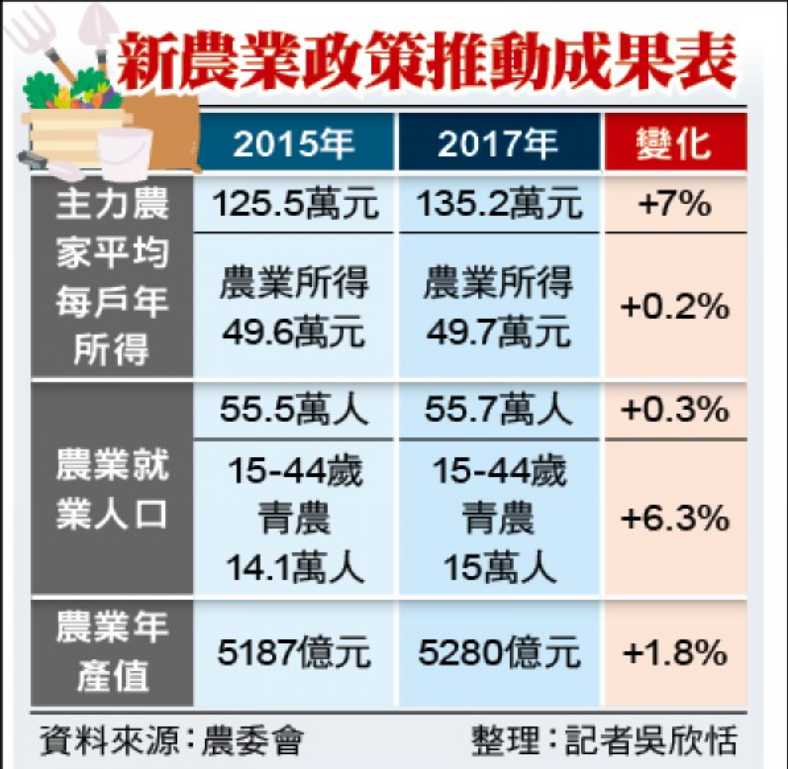
台灣農民收入
2015-2017
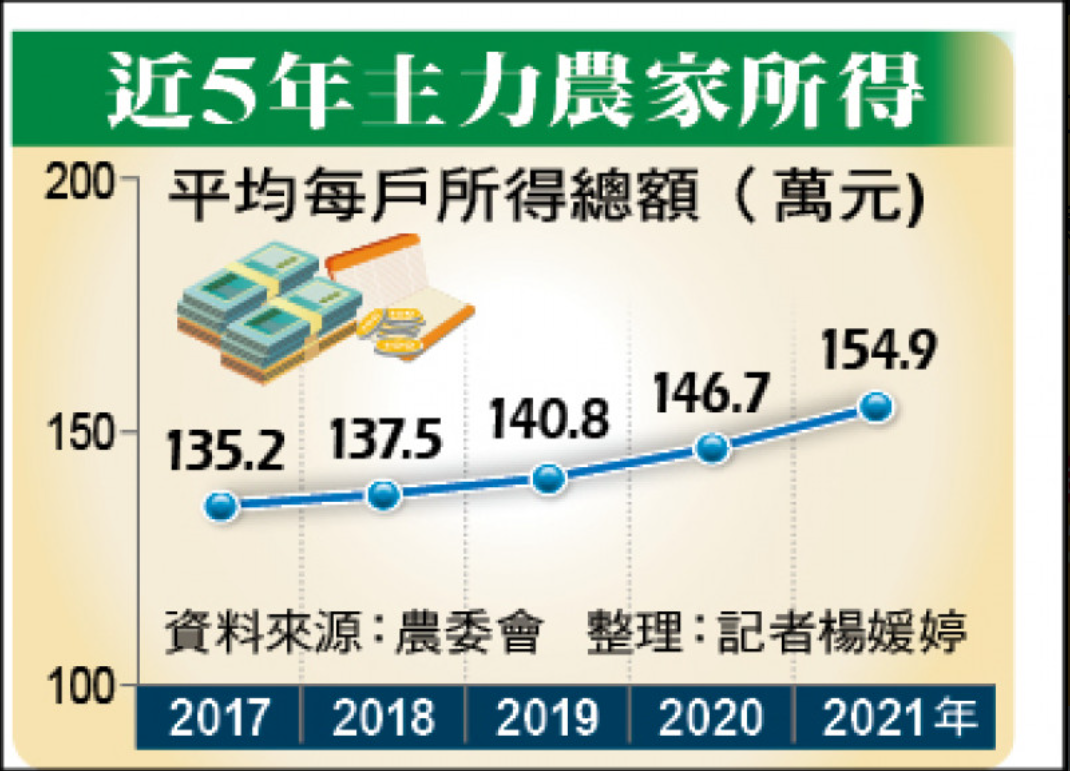
2021
這是大型農家和專業農民
2015-2017
2021
這是大型農家和專業農民
